Met Gala 2026: When Fashion Became Art
Exploring Costume Art, craftsmanship and the changing relationship between clothing, culture and visual expression.

Introduction: The Red Carpet as a Cultural Canvas
Every May, the steps of the Metropolitan Museum of Art in New York become ground zero for global visual culture. The Met Gala is rarely just an evening of celebrity arrivals; at its core, it is the grand opening of the Costume Institute’s annual exhibition—a deliberate moment where fashion insists on being evaluated beyond utility, commerce, or trend cycles.
On May 4, 2026, the Costume Institute unveiled its landmark exhibition, titled "Costume Art," accompanied by the theme and official dress code: "Fashion Is Art."
Rather than dictating a historic era or a single aesthetic motif, the 2026 theme issued a fundamental challenge to the global creative community. It asked a deceptively simple question: what happens when a garment moves from functional attire into the realm of pure artistic expression? And conversely, how does the act of wearing a garment transform the wearer into a living sculpture?
This article explores the core ideas behind the 2026 Met Gala exhibition, the distinction between spectacle and true craftsmanship, and why the relationship between clothing and art matters far beyond the red carpet.
Section 1: Costume Art: The Idea Behind the 2026 Met Gala
The Costume Institute’s 2026 exhibition, "Costume Art," was conceived to examine the dressed body as a primary canvas for artistic dialogue. Throughout art history, garments have appeared as representations in oil paintings, marble statues, and digital portraiture. However, "Costume Art" inverted this relationship, staging a direct conversation between historical fine art and physical masterworks of garment construction.
The exhibition paired iconic historic and contemporary garments directly alongside paintings, sculptures, and architectural artifacts from the Metropolitan Museum’s permanent collection. A hand-draped evening gown sat adjacent to classical Greek sculpture, highlighting shared principles of tension, gravity, and fluid geometry. A modern structured coat shared space with minimalist mid-century architectural drawings, emphasizing how seamlines function as structural beams.
By curating garments as autonomous works of art rather than mere historical artifacts, the museum reinforced a vital thesis: that the medium of cloth—when manipulated with mastery—possesses the same emotional depth, conceptual weight, and cultural resonance as canvas, stone, or bronze.

Section 2: Fashion Is Art: A Shift Toward Interpretation
The 2026 dress code, "Fashion Is Art," represented a noticeable shift in how attendees and designers approached the Met Gala red carpet. In previous years, dress codes focused on thematic homage or historical recreation. The 2026 mandate encouraged deep conceptual interpretation over literal costume.
Designers were challenged to treat raw textile as a medium for narrative rather than simple decoration. We witnessed garments constructed through sculptural hand-molding, intricate textile manipulation, raw un-dyed fibers, and structural tailoring that defied traditional human anatomy.
What made the 2026 presentations memorable was not sheer volume or viral spectacle, but the legibility of intent. When a garment communicates an idea cleanly—without requiring verbal explanation—it transcends fashion and enters the space of visual art. The body becomes the gallery, movement becomes the performance, and the garment remains the enduring artifact.
“Clothing becomes memorable when the idea behind it is as considered as the garment itself.”
— GODSMOVE Editorial (On Garment Craftsmanship & Purpose)
Section 3: When a Garment Becomes More Than Clothing
To understand why fashion can be understood as art, one must examine what transforms a piece of cloth into something profound. A garment becomes more than clothing when seven distinct elements converge in harmony:
1. Construction: The hidden internal skeleton—canvas interlinings, taped seams, and balanced shoulder structures—that allows a piece to hold its form against gravity. 2. Silhouette: The immediate outline a garment casts against space. A strong silhouette alters how the wearer occupies a room, conveying authority, restraint, or fluidity. 3. Material Weight & Density: The tactile feedback of cloth. Heavyweight cottons, dense denims, and crisp wools carry physical presence that lighter synthetic blends can never replicate. 4. Symbolism & Meaning: The cultural codes embedded within stitches, proportions, and hardware. 5. Craftsmanship: The precision of execution. Clean seam allowances, consistent stitch counts per inch, and reinforced stress points. 6. Cultural Context: How the garment reflects the spirit, anxieties, and aspirations of its era. 7. Identity: The psychological transformation experienced by the person wearing the garment.
When these elements are executed with conviction, clothing ceases to be a passive layer. It becomes an active expression of identity and artistic intent.
Section 4: Craftsmanship Is the Detail You Notice Last
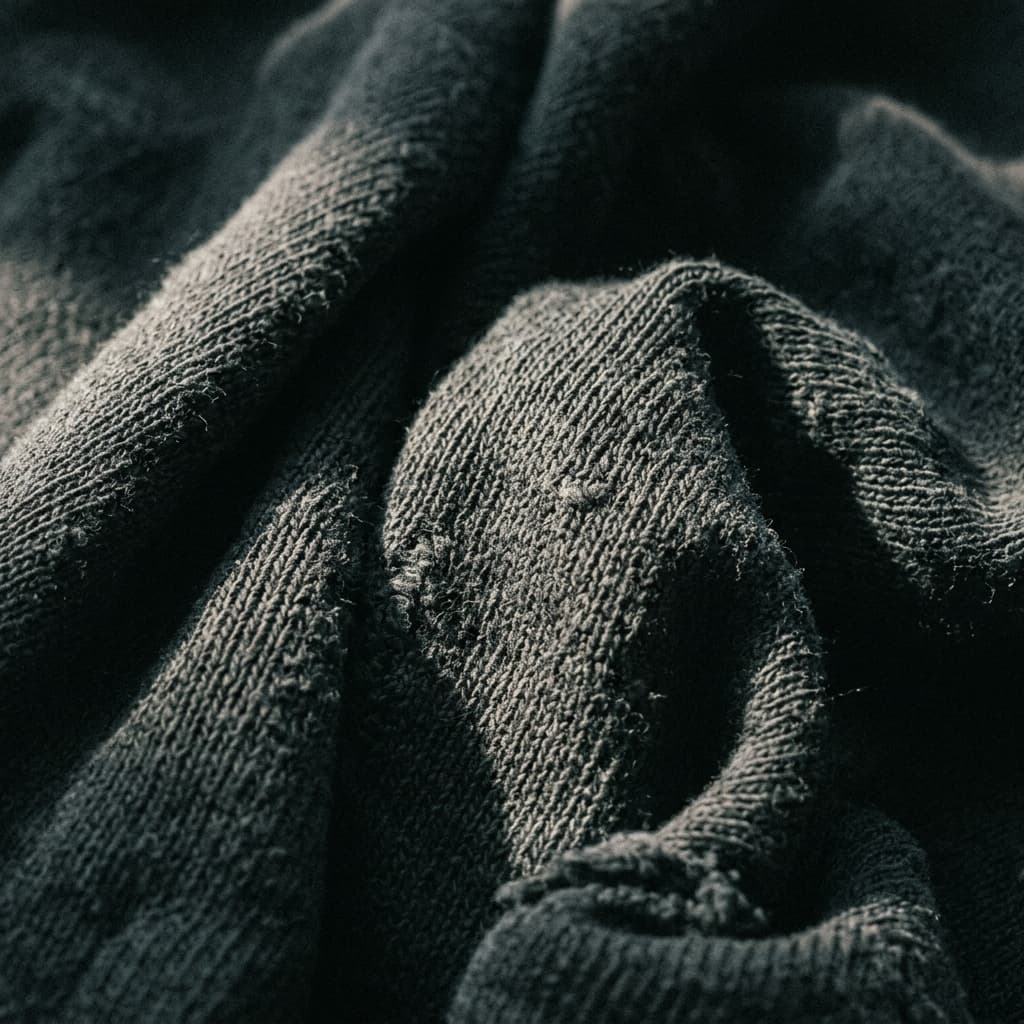
One of the enduring lessons of the "Costume Art" exhibition is that true quality rarely shouts. In an era dominated by rapid digital imagery and surface-level aesthetics, true craftsmanship is often quiet. It is the detail you notice last, but appreciate the longest.
On the red carpet—as in everyday life—the difference between an ordinary garment and a masterwork lies beneath the surface. It is found in:
- Seam Finishing: Bound edges and double-needle topstitching that ensure a garment retains its structural integrity through years of wear. - Weight Distribution: Balancing heavy textiles so they drape naturally from the shoulders without pulling or distorting. - Hardware & Finishing: Custom metal zippers, heavy-gauge snaps, and reinforced pocket bags built for longevity. - Proportional Restraint: Knowing precisely when a design is complete, resisting the temptation to add extraneous ornamentation.
When a garment is built with this level of discipline, its beauty does not fade when the spotlight turns off. It matures with age and wear.
Section 5: Why This Matters Beyond the Red Carpet
It is easy to dismiss the Met Gala as an exclusive spectacle disconnected from everyday reality. However, the cultural conversations generated on the steps of the Met filter downward into how we think about our personal wardrobes.
Connecting fashion to art does not require wearing avant-garde costumes or dramatic red-carpet gowns. In fact, the most meaningful application of this philosophy occurs in daily life.
Treating fashion as art means approaching everyday dressing with intention. It means choosing a single, perfectly constructed heavy T-shirt or a tailored jacket over five disposable alternatives. It means valuing the tactile sensation of dense cotton, the honesty of clean tailoring, and the way a well-made garment shapes your confidence.
When you view your clothing through the lens of craftsmanship and design, your wardrobe stops being a collection of temporary items. It becomes a personal gallery of curated artifacts.
Section 6: Design With Intention — The GODSMOVE Perspective
At GODSMOVE, our approach to apparel has always been rooted in the same principles that defined the 2026 Met Gala exhibition: thoughtful design, uncompromising craftsmanship, contemporary silhouettes, and meaningful details.
We do not design for red-carpet spectacle; we design for decisive individuals who appreciate refined everyday clothing. Every garment in our collection—from our 300 GSM heavyweight T-shirts to our structured denim jackets—is developed as a study in proportion, fabric density, and structural longevity.
We believe that great design should be lived in. Clothing should be built to withstand the demands of daily life while maintaining a sharp, distinctive aesthetic identity. By focusing on essential construction details, rich fabric weights, and clean silhouettes, GODSMOVE delivers garments that feel like personal armor for the modern world.